NCHCW launches a head start on housing for America’s families and youth
A Head Start on Housing is a joint venture among the state’s offices of Early Childhood, Housing, Head Start State Collaboration, the CT Head Start Association, and the National Center for Housing and Child Welfare.
Head Start originated in New Haven in the 1960s under President Lyndon Johnson’s “Great Society” anti-poverty initiative, to provide early educational services to families with incomes up to 100 percent of the federal poverty line. It became a celebrated nationwide program that continues to this day.
“The one missing piece of Head Start was housing,” Ruth White, executive director of the National Center for Housing and Child Welfare. “Head Start staff are required to go out and recruit families that are experiencing housing instability or homelessness but couldn’t attach vouchers which must have been infuriating for them. 1.5 million children in the American public schools system are experiencing homelessness right now so hopefully this program can become a model for state’s across the nation.”
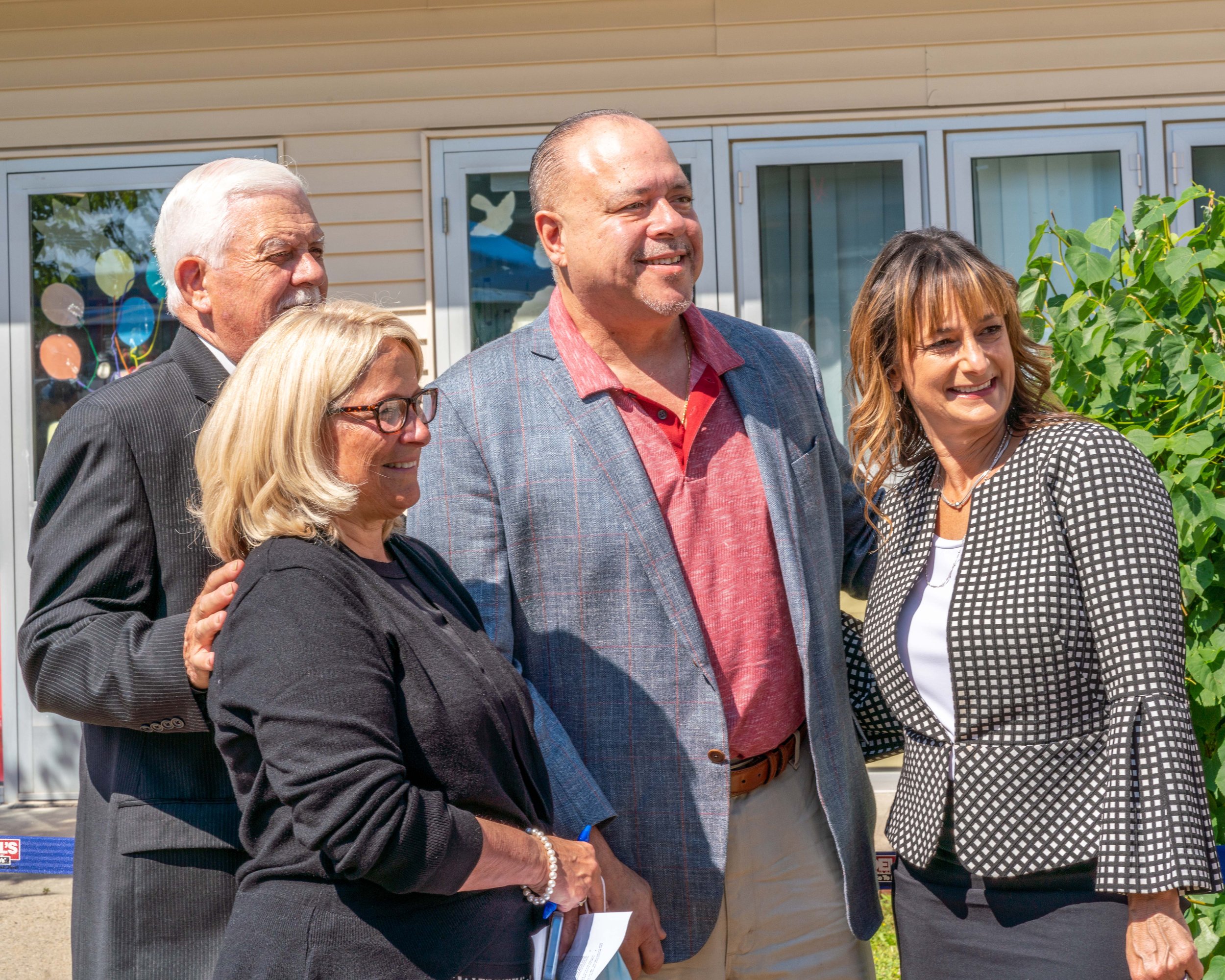
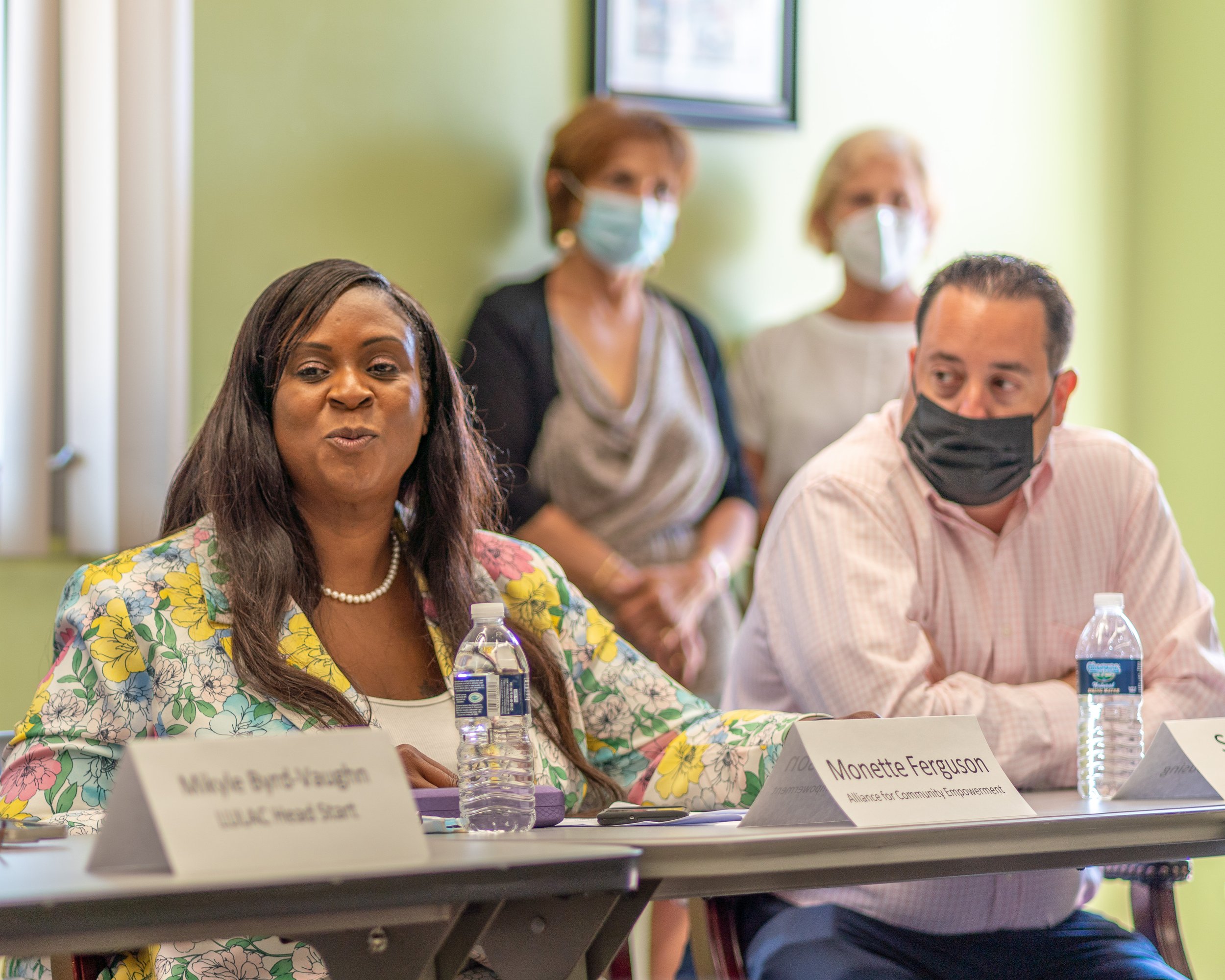
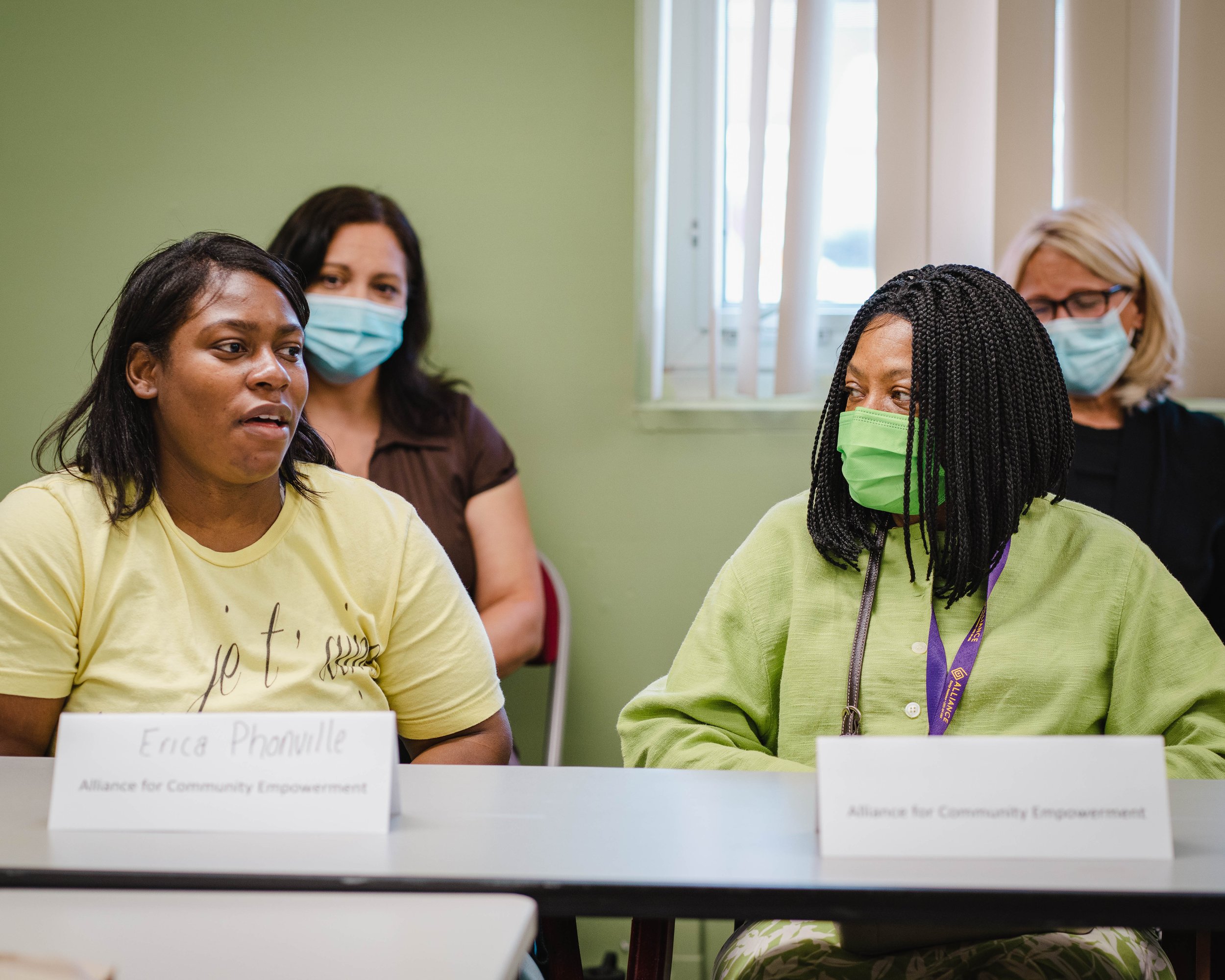

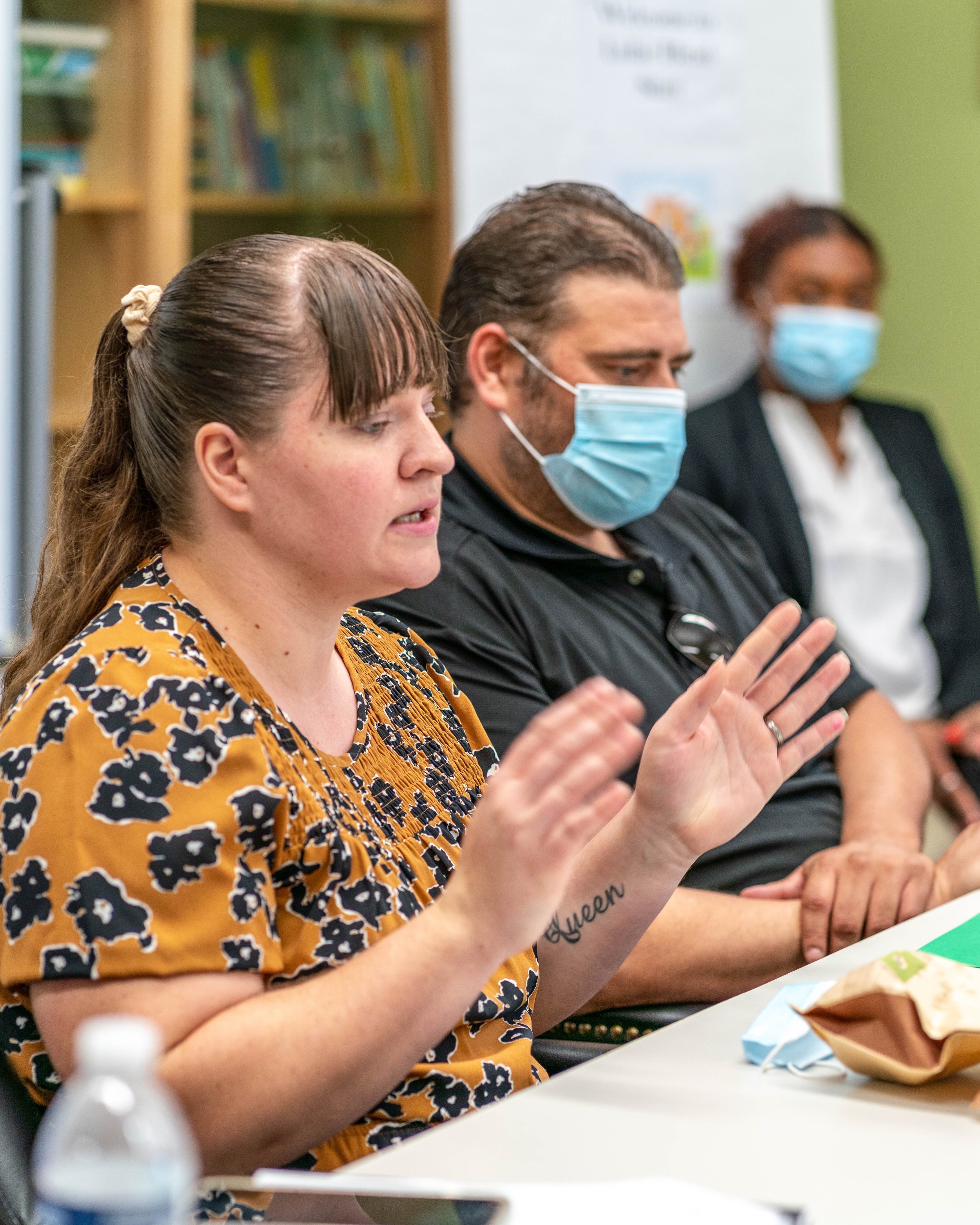
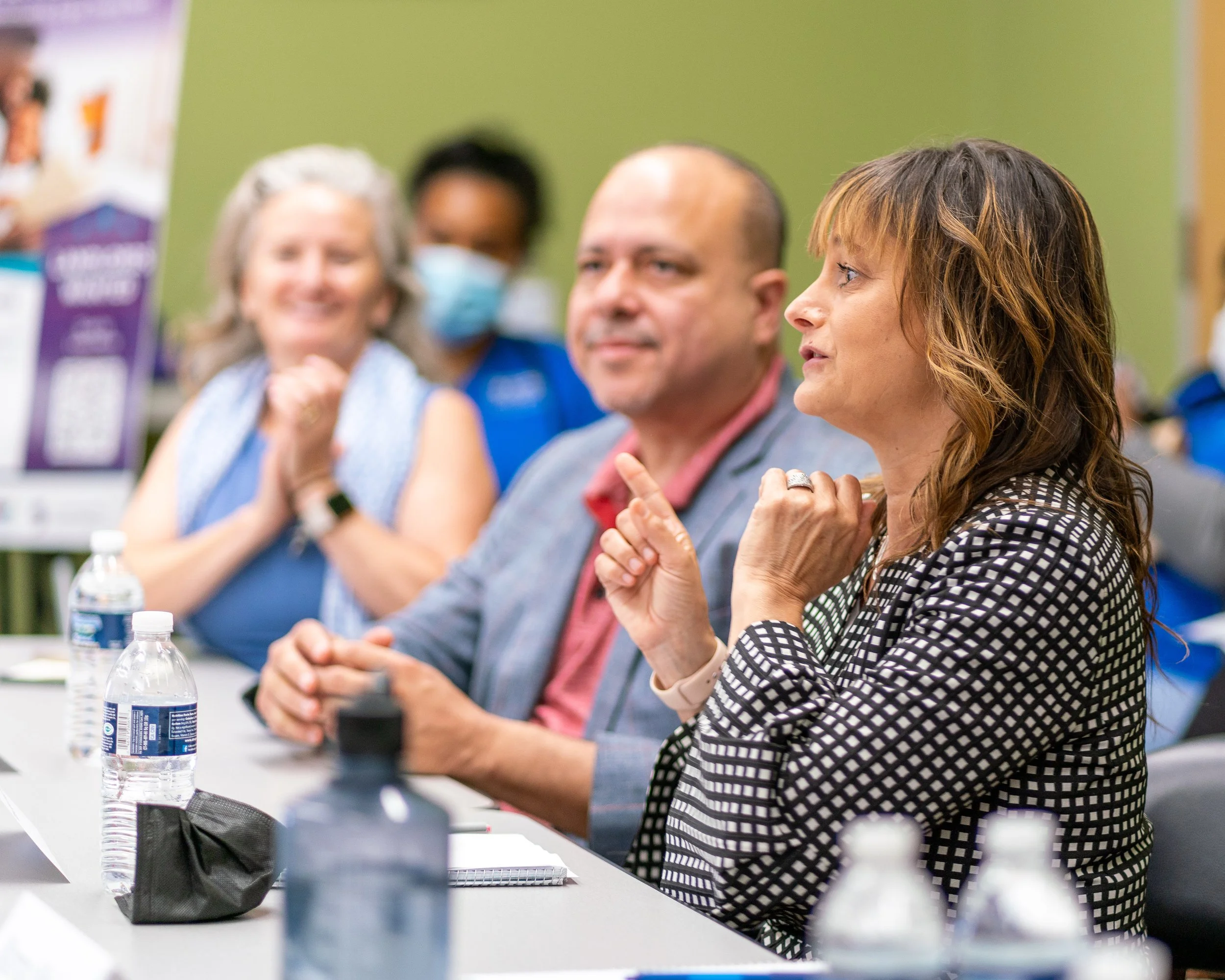
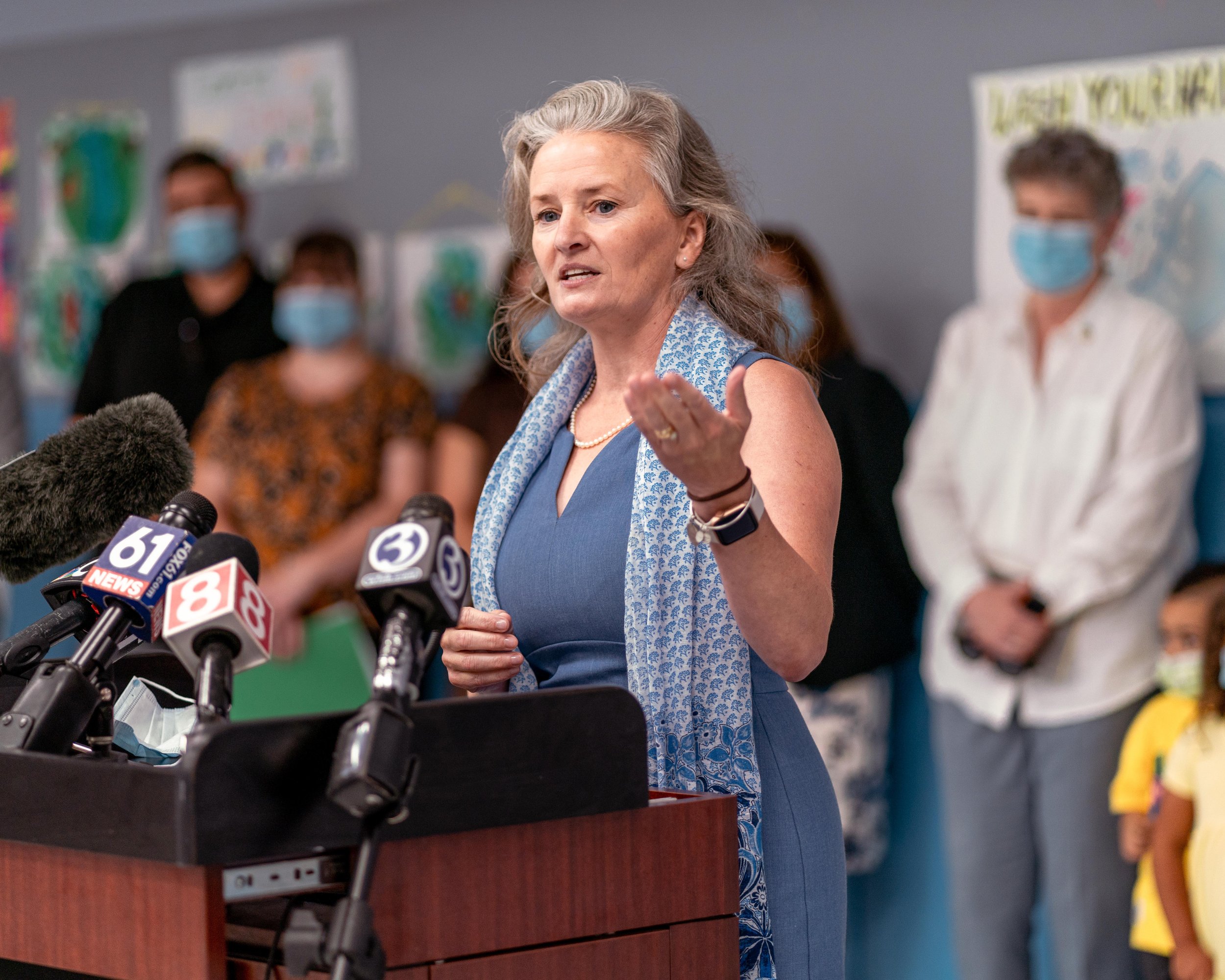
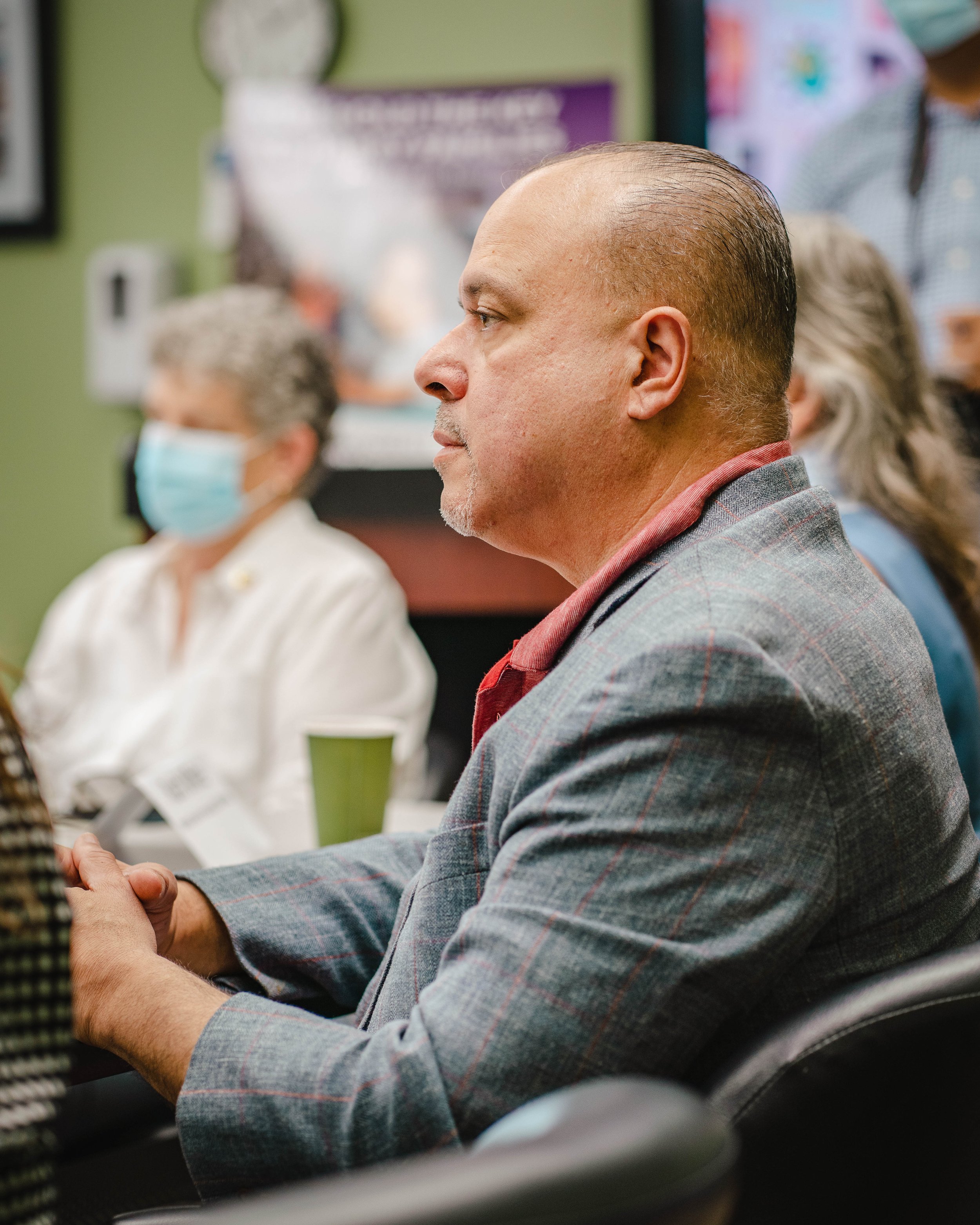
Head Start on Housing Press Conference
New Haven Independent:
WFSB
https://www.wfsb.com/video/2022/06/13/video-head-start-housing-pilot-program/
Patch:
FOX 61:
WNPR:
News 12:
Click here to read the Federal Register Notice implements FSHO.
The Fostering Stable Housing Opportunities Act (FSHO) was written by foster youth and alumni from ACTION Ohio, NCHCW, and Congressional Champions led by Rep. Michael Turner of Ohio and Rep. Karen Bass of California. FSHO offers a platform for youth, and particularly youth of color, to build economic self-sufficiency. Through the provision of housing resources and access to HUD’s long-standing wealth-building Family Self-Sufficiency Program (FSS), FSHO will help to close America’s yawning wealth gap by rewarding youth for work and school - and removing disincentives for improving their income.
Foster Youth do not have parents who can contribute towards a nest egg upon which they can build their future. This has serious implications for each young person’s individual economic security, and it exacerbates societal racial inequity as well. Seventy-five percent of young people who emancipate are youth of color and regardless of a young person’s race or ethnicity, foster youth disproportionately reside in neighborhoods that have been stripped of wealth, infrastructure, and opportunity for years due to flawed government policies.
HUD can act now to extend housing protections to families at risk of losing their children to foster care due to housing instability
Urge Sec. Fudge to tap existing authority to use housing as a tool to keep homeless families together and prevent foster care placement.
Read the NCHCW Letter here.

The National Center for Housing and Child Welfare exists to make sure that children are never placed into foster care because their parents can’t access decent housing.
When foster care placement is unavoidable, we make sure that all communities provide youth in care with a platform for economic security and housing stability as they prepare to transition to adulthood. Homelessness among youth aging out of foster care is a thing of the past. We will teach you how to prevent homelessness and all you have to do in return is help us spread the word.
Why housing? Because history, research and reports from the field indicate that housing instability is a major problem among child welfare families - triggering removal, delaying reunification, and creating conditions that lead to deleterious effects on child well-being. According to the United States Department of Health and Human Services, housing problems are commonplace among child welfare families; one in 10 foster children are removed due to inadequate housing. We have a solid base of evidence to indicate that solving family housing problems reduces caseloads, improves family well-being, and results in significant cost savings. It is cheaper to house a family and provide supportive services, than to allow children to needlessly linger in foster care. Click here to read our cost analysis.